 Call us: 920004993
 Since 2012

Elevator Maintenance: When Should Traction Ropes Be Replaced?
(Elevator Traction Ropes)
A guide from Quartz Elevators to understanding early traction rope damage and its effect on the traction sheave. Rope inspection is an important part of elevator maintenance, and a regular maintenance program helps monitor rope condition.
Experience since 2012
Greater safety • Continuous operation • Lower costs
What Are Elevator Ropes?
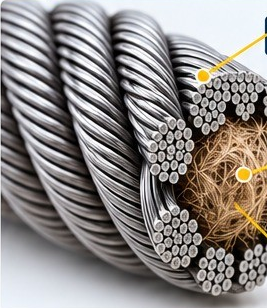
Stranded steel wires
Flax core
Holds factory-applied lubricant
Traction ropes consist of stranded steel wires around a fiber or flax core that holds factory-applied lubricant. This core supports internal lubrication, reduces friction, and helps the rope withstand repeated bending and pressure.
The Motor and Ropes at an Actual Installation
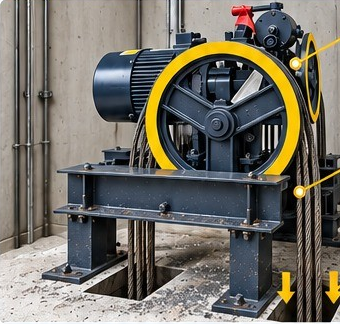
Traction sheave
(Motor pulley)
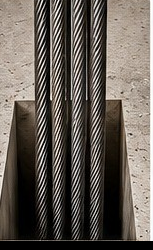
Four ropes
running side by side
Two openings for
ropes into the shaft
At the actual installation, the ropes descend naturally side by side through two separate openings in the slab, passing over the traction sheave to transmit motion between the machine and the car.
How Does Damage Begin?
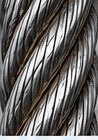
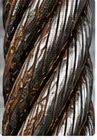
metal filings
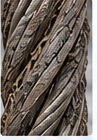
Over time, lubricant in the fiber core diminishes and the rope begins to dry out, increasing friction between the wires and the traction sheave. Early signs include an unusual shine on the rope surface and loss of its original roughness.
Effect on the Traction Sheave
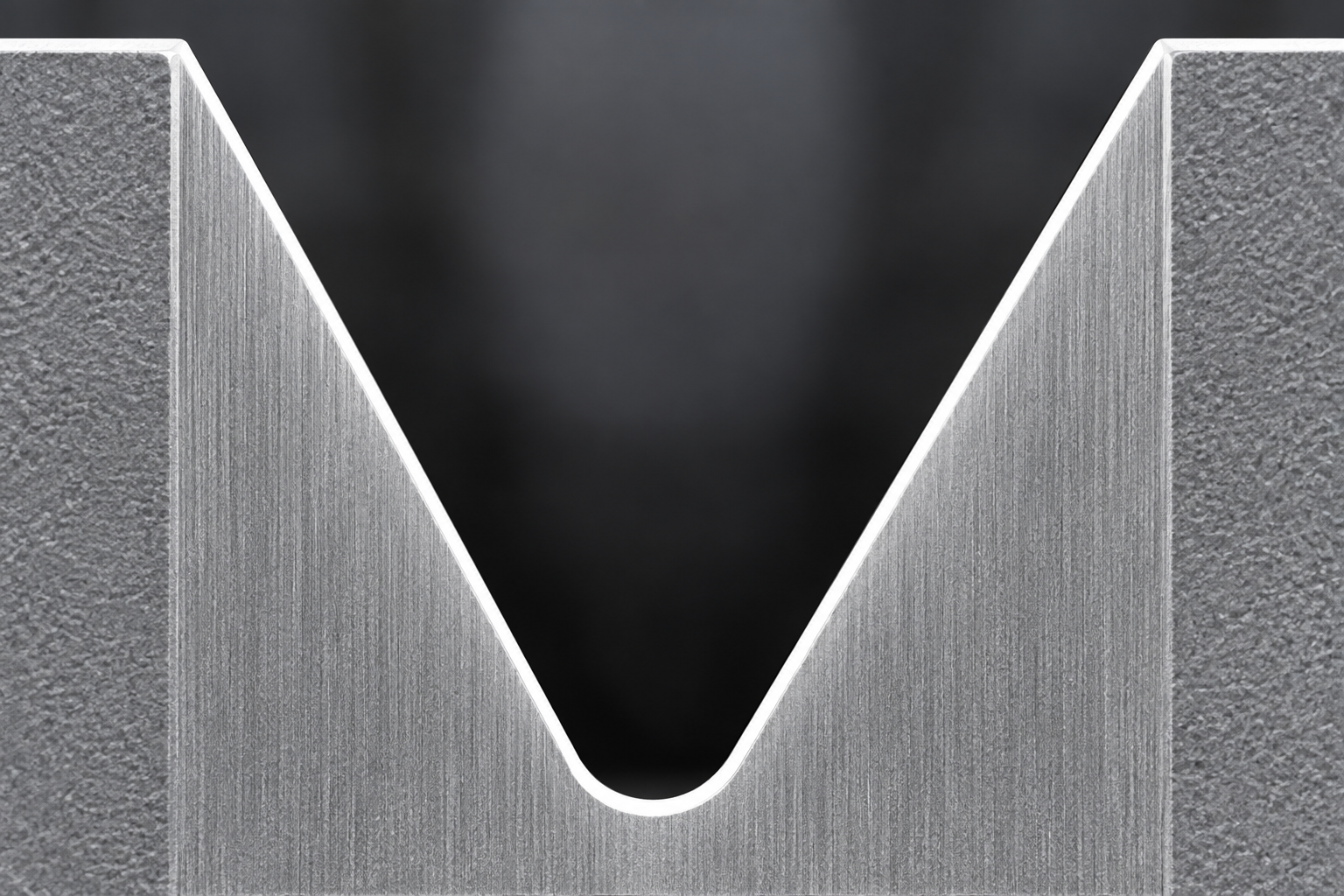
(Near-V shape, slightly open at the bottom)
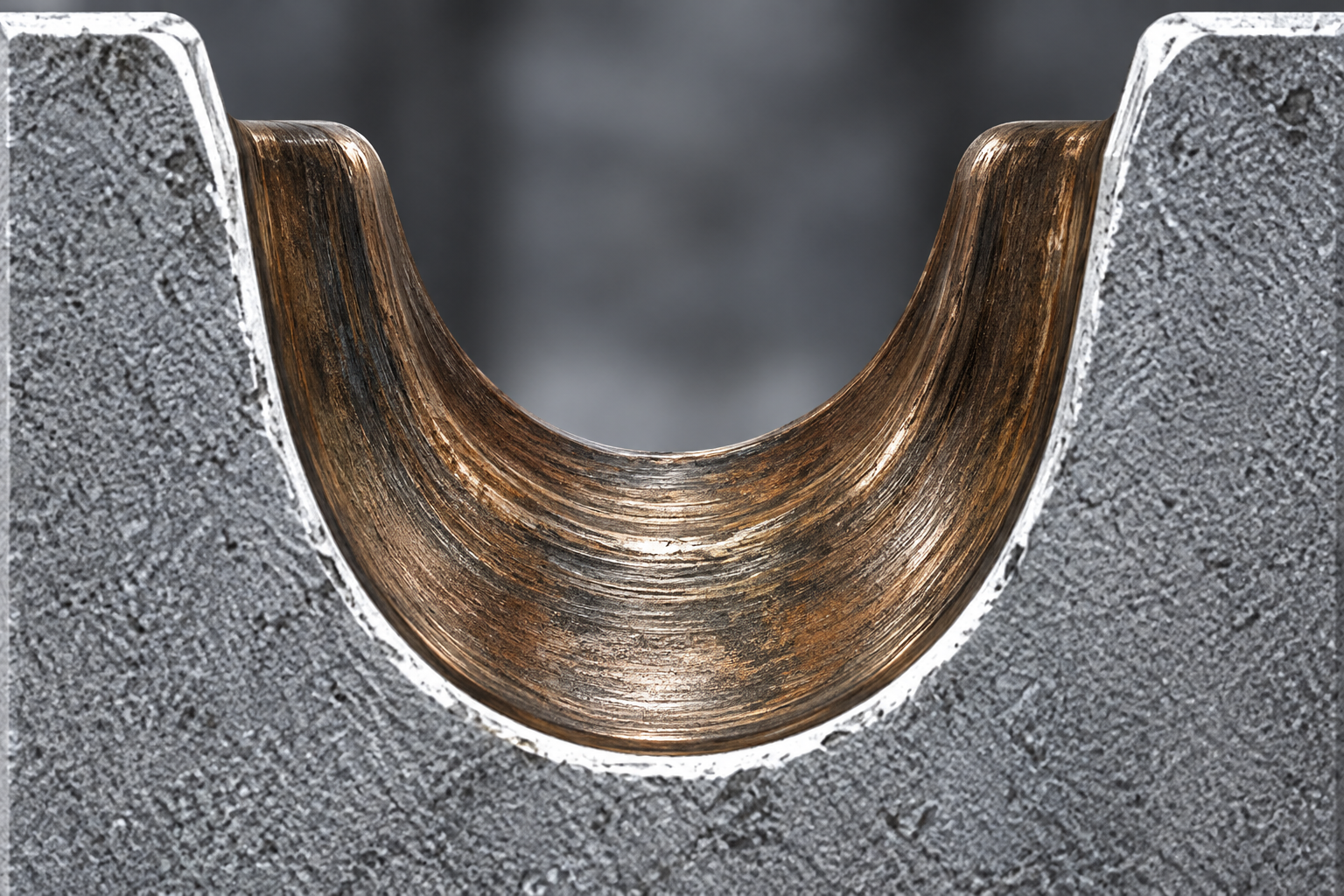
(U-shaped)
In the traction sheave shown, the sound groove narrows gradually toward the bottom, resembling a V while remaining slightly open at its base, without a sharp point. Continued operation with worn ropes wears the groove and widens its base into a U shape. It loses its original profile and is no longer sound. The sheave grips the ropes less effectively; the motor may turn while lifting capability is reduced because the ropes slip.
Risks of Delaying Rope Replacement
 Ropes slipping on the traction sheave and failure to transmit motion
 Sheave grooves wearing and widening into a U shape instead of their original near-V profile
 Needing to replace the traction sheave at a higher cost
 Spare parts for the same model may be unavailable, requiring replacement of the entire motor
 Possible elevator stoppages and sudden breakdowns
 Risks to passenger safety
When Should Ropes Be Replaced?
 When the rope surface becomes shiny
 When metal filings come off the ropes
 When wires show cracks or damage
 When the rope surface loses its roughness
 As recommended by the manufacturer or supervising provider within the periodic maintenance program
Advice from Quartz
Regular inspection
of ropes and the traction sheave
within the approved
maintenance program helps
extend elevator service life,
avoid major costs,
and maintain safe
operation.